Cleaning Tips
5 Car Cleaning Mistakes That Can Damage Your Vehicle (And How to Avoid Them)
·8 min read
Most car owners take pride in keeping their vehicles clean.
Whether it's a weekend wash in the driveway or a quick interior wipe-down before a road trip, regular cleaning helps maintain your car's appearance, value, and overall driving experience.
But here's the surprising truth:
Many people accidentally damage their vehicles while trying to clean them.
A cleaner that's too harsh. A towel that's too rough. A shortcut that seems harmless. These small mistakes can lead to scratched surfaces, faded trim, damaged coatings, and expensive repairs.
One car owner recently discovered this firsthand.
After noticing fingerprints and dust on the instrument cluster, he sprayed an interior cleaner directly onto the clear plastic cover and wiped it with a cloth. At first, everything looked spotless. Later that day, however, the surface appeared cloudy and hazy.
Thinking it was leftover residue, he tried cleaning it again. Then he tried alcohol.
Nothing worked.
The issue wasn't dirt—it was damage.
The cleaner had stripped or damaged the anti-glare coating applied to the instrument panel lens.
Unfortunately, this isn't an isolated incident.
Modern vehicles contain a variety of materials and specialized finishes that require different cleaning methods. Using the wrong products can sometimes cause more harm than the grime you're trying to remove.
To help you avoid costly mistakes, here are five of the most common car cleaning errors and the safer alternatives professionals recommend.
Many people assume that if a product is labeled "safe for automotive interiors," it can be used everywhere inside the vehicle.
That's not always true.
Today's vehicles feature a wide range of materials, including:
Each material reacts differently to cleaning chemicals.
For example, instrument cluster covers and infotainment screens often feature delicate anti-glare or anti-reflective coatings. Strong chemicals, alcohol-based cleaners, and certain degreasers can degrade or remove these coatings over time.
Even some products marketed as interior cleaners may be too aggressive for sensitive surfaces.
Before reaching for a chemical cleaner, start with the gentlest option possible.
For light dust and fingerprints:
If additional cleaning is necessary, choose a product specifically designed for that material.
When it comes to touchscreens and instrument panels, less is usually more.
Professional detailers often use the mildest effective solution because preserving the surface is more important than achieving an instant shine.
Cleaning products get most of the attention, but your tools matter just as much.
Many vehicle owners rely on old towels, paper towels, or worn-out microfiber cloths that have been used countless times.
Unfortunately, even microfiber can become abrasive when contaminated with dirt, sand, or debris.
Every wipe across your dashboard, screen, or trim panel can create tiny scratches that gradually become visible.
This is especially problematic on glossy surfaces such as:
Another challenge is accessibility.
Some parts of your vehicle are nearly impossible to clean effectively with a traditional cloth.
Examples include:
These areas collect dust, crumbs, pet hair, and debris that ordinary towels simply can't reach.
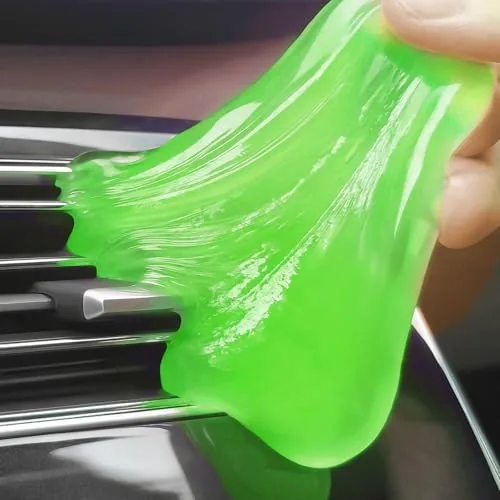
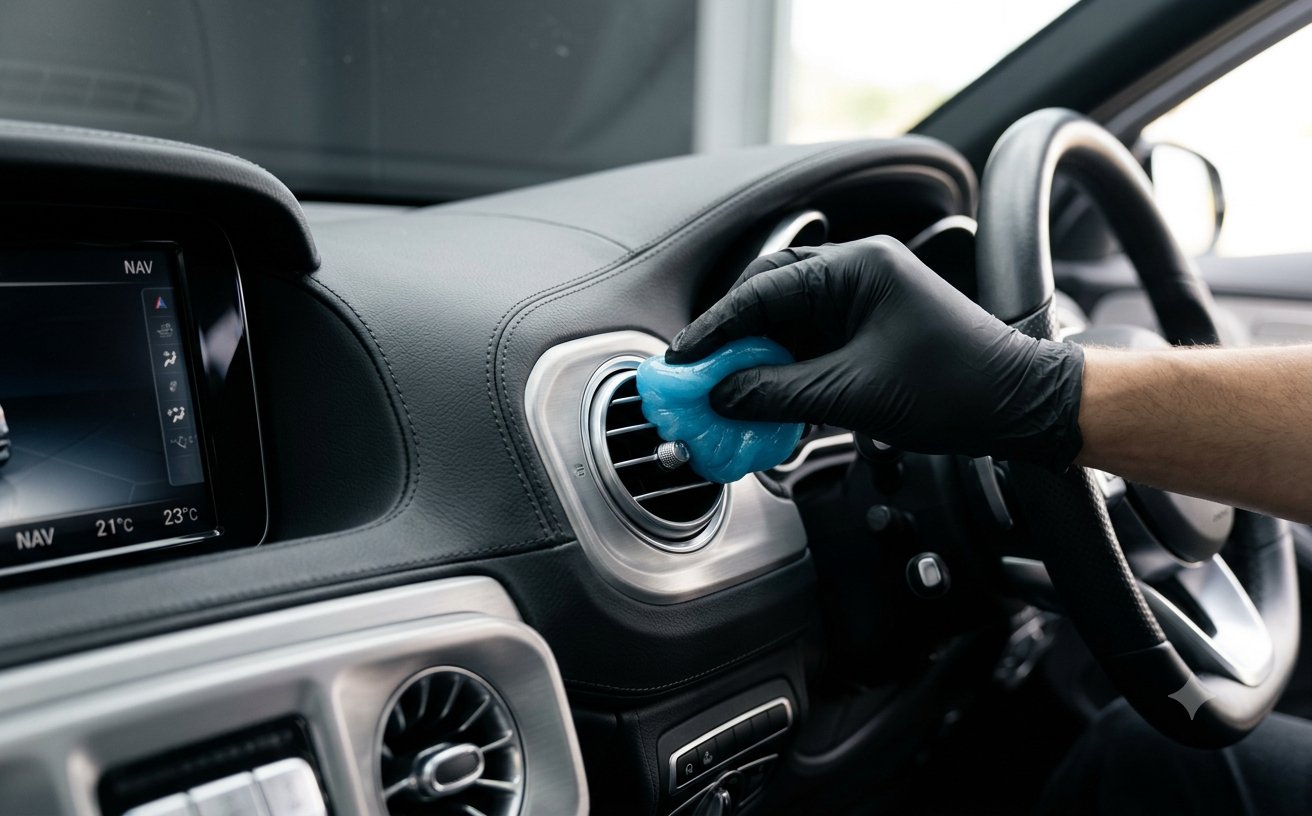
Many drivers use a Car Cleaning Gel to clean intricate interior areas.
Unlike brushes that may push debris deeper into cracks, cleaning gel conforms to the shape of vents, buttons, and crevices. The material lifts dust and particles through gentle adhesion rather than aggressive scrubbing.
Because it doesn't rely on heavy friction, it can help reduce the risk of scratches while making interior cleaning faster and easier.
For many car owners, it's one of the simplest ways to maintain difficult-to-clean areas between full detailing sessions.
When people think about a clean car, they often focus on the exterior.
Shiny paint.
Clean wheels.
Sparkling windows.
But some of the dirtiest areas in a vehicle are hidden inside the cabin.
The average driver touches dozens of surfaces every day without realizing how much dirt and oil accumulates over time.
High-contact areas include:
These surfaces collect:
Over time, buildup can make the interior look worn and neglected even if the exterior is spotless.
Professional detailers often spend more time cleaning the interior than washing the exterior.
That's because interior cleanliness directly impacts:
A quick wipe of visible surfaces isn't enough.
Dust and debris tend to settle into seams, cracks, and vents where they're easily overlooked.
Regular maintenance with tools designed for tight spaces can help keep your vehicle looking newer for longer.
Even a few minutes spent cleaning these neglected areas can dramatically improve the appearance of the entire cabin.

This is one of the most common mistakes people make.
You notice dust on the dashboard.
You grab a towel.
You wipe it away.
Simple, right?
Not exactly.
Dust isn't composed solely of soft particles.
It often contains:
When you drag those particles across a dry surface, they act like microscopic abrasives.
Over time, this can create:
The damage may not be obvious immediately, but repeated dry wiping gradually reduces the appearance of interior and exterior surfaces.
Always introduce lubrication before wiping.
This can be:
Moisture helps suspend dirt particles and reduce friction during cleaning.
Professional detailers almost never wipe dusty surfaces completely dry.
Instead, they loosen contamination first and then remove it safely.
This small change in technique can significantly extend the life of your vehicle's surfaces.
One of the biggest mistakes isn't related to cleaning itself.
It's waiting until damage appears before researching the proper method.
Many vehicle owners assume:
Unfortunately, modern vehicles are more complex than ever.
Manufacturers use specialized materials and coatings that require specific care instructions.
For example:
A few minutes of research before cleaning can prevent expensive mistakes later.
Whenever you're dealing with an unfamiliar surface, ask yourself:
These simple questions can save hundreds of dollars in repair or replacement costs.
Many people wait until their vehicle becomes noticeably dirty before cleaning it.
By then, dust, debris, and grime have already accumulated in hard-to-reach places.
A better strategy is routine maintenance.
Small, frequent cleaning sessions are usually:
Spending just a few minutes each week cleaning vents, cup holders, dashboard seams, and touchpoints can dramatically reduce the need for intensive detailing later.
This approach also minimizes the temptation to use aggressive chemicals or excessive scrubbing.
Keeping your car clean isn't about using stronger cleaners or spending hours scrubbing every surface.
It's about understanding your vehicle's materials, choosing the right tools, and using proper techniques.
To recap:
✔ Use surface-specific cleaners whenever possible.
✔ Keep microfiber towels clean and replace them when worn.
✔ Avoid wiping dry dust directly from surfaces.
✔ Pay attention to hidden interior areas where debris accumulates.
✔ Learn about your vehicle's materials before applying chemicals.
And when it comes to cleaning air vents, cup holders, dashboard seams, and other hard-to-reach spaces, a Car Cleaning Gel can be a convenient addition to your maintenance routine. By lifting debris instead of aggressively scrubbing surfaces, it helps simplify interior cleaning while reducing the risk of scratches.
At the end of the day, the best detailing strategy isn't correcting damage after it happens—it's preventing it from happening in the first place.
Yes. Quality car cleaning gels are designed to remove dust and debris from vent slats and other hard-to-reach areas without requiring excessive force or scrubbing.
Not always. Some dashboards, instrument clusters, and infotainment screens have protective coatings that may be damaged by alcohol-based cleaners. Always check your vehicle manufacturer's recommendations first.
Light maintenance once a week and a deeper cleaning every one to three months is sufficient for most vehicles.
A clean, high-quality microfiber cloth is generally the safest option for most interior surfaces.
Many dashboard components and glossy trim pieces are made from soft materials that can be scratched by dust particles, dirty towels, or aggressive cleaning methods.
Shop this post
The exact products mentioned in this article.
Cleaning Tips
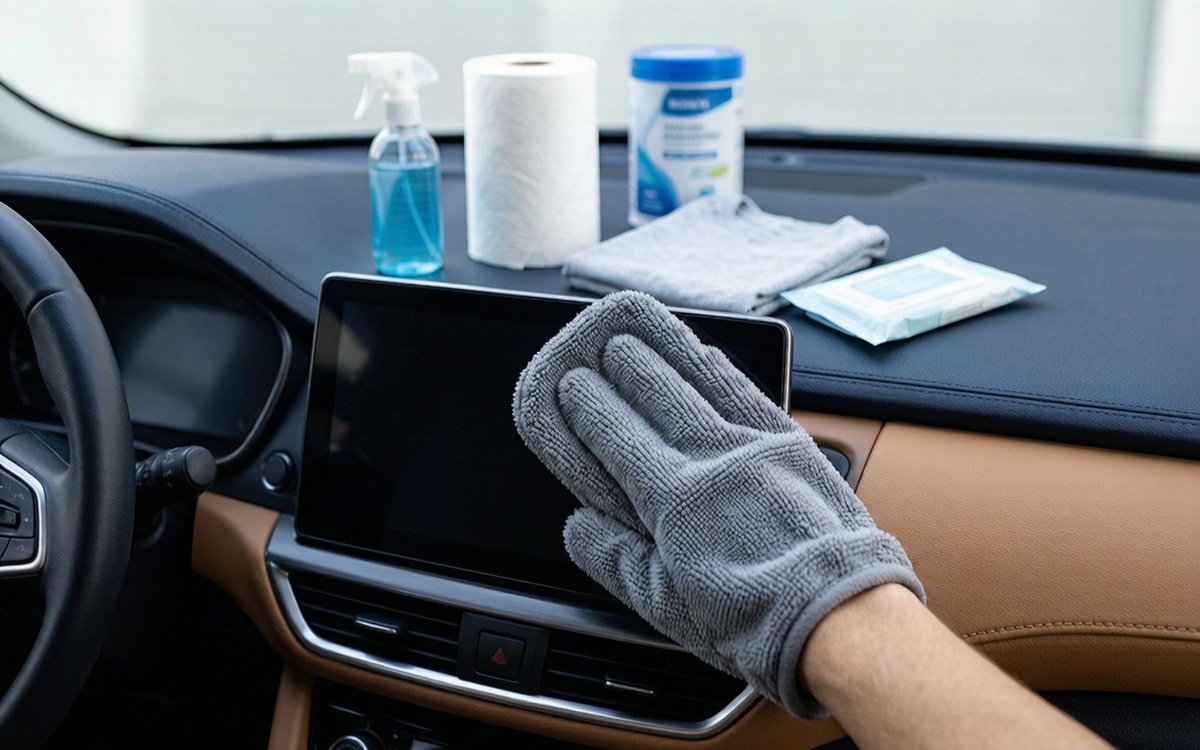
From ammonia-based glass cleaners to disinfecting wipes, these common products can damage your car's touchscreen coating. Here's what to use instead.
Cleaning Tips
A practical, step-by-step routine for cleaning your car interior — from dashboard and vents to seats, cup holders, and touchpoints. Spend 20 minutes a week and your cabin stays showroom-fresh.

Cleaning Tips
From seatbelt buckles to A/C vents, these overlooked zones collect more dust than your dashboard. Here's how to clean them in under 10 minutes.