Cleaning Tips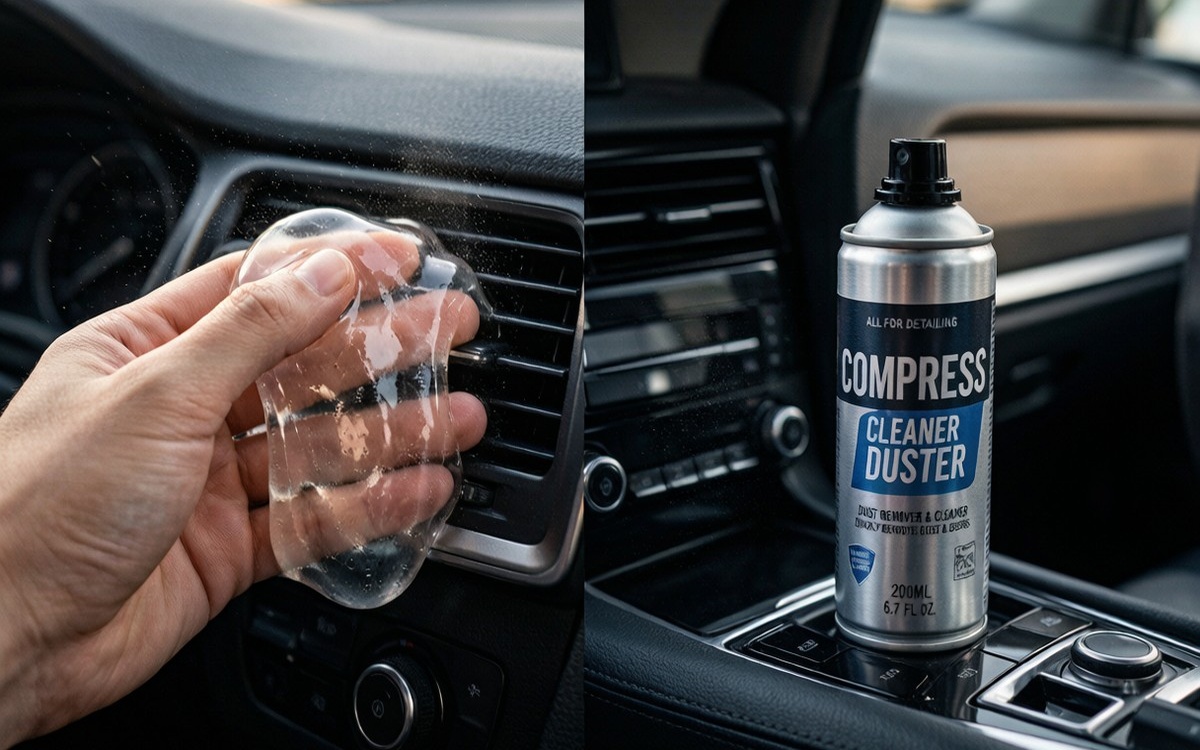
Cleaning Gel vs. Compressed Air: Which Is Better for Car Vents?
·6 min read
Compressed air has been the go-to for cleaning car vents for years. But does it actually work better than cleaning gel? We tested both.
We used a 2021 Toyota Camry that hadn't had its vents cleaned in 18 months. Half the vents got compressed air. The other half got ALLGUO cleaning gel.
Compressed air blew the dust out of the vents — but most of it landed on the dashboard and seats. We had to wipe everything down afterward. The deepest parts of the vent louvers still had visible dust.
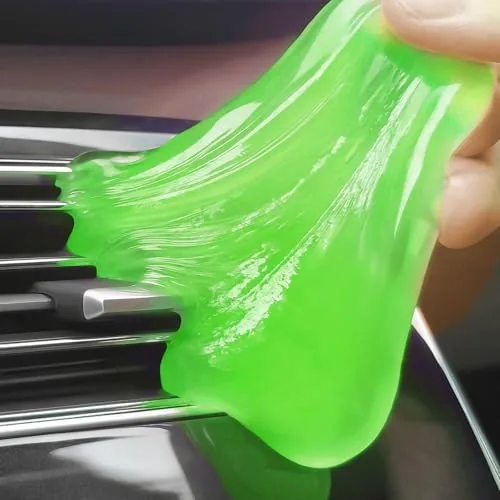
The gel pressed into the vent gaps and pulled the dust out with it. No dust went airborne. The louvers were visibly cleaner. One pass was enough for most vents; two passes got the heavily caked ones.
For vent cleaning specifically, gel wins. It removes the dust instead of just moving it. Compressed air is better for electronics with sensitive components (like camera sensors), but for car interiors, gel does the job with less mess.
If your vents are wet or oily (from dashboard cleaners or air fresheners), gel won't work as well — it'll stick. In that case, compressed air followed by a dry wipe is the better play.
Shop this post
The exact products mentioned in this article.
Product Guides
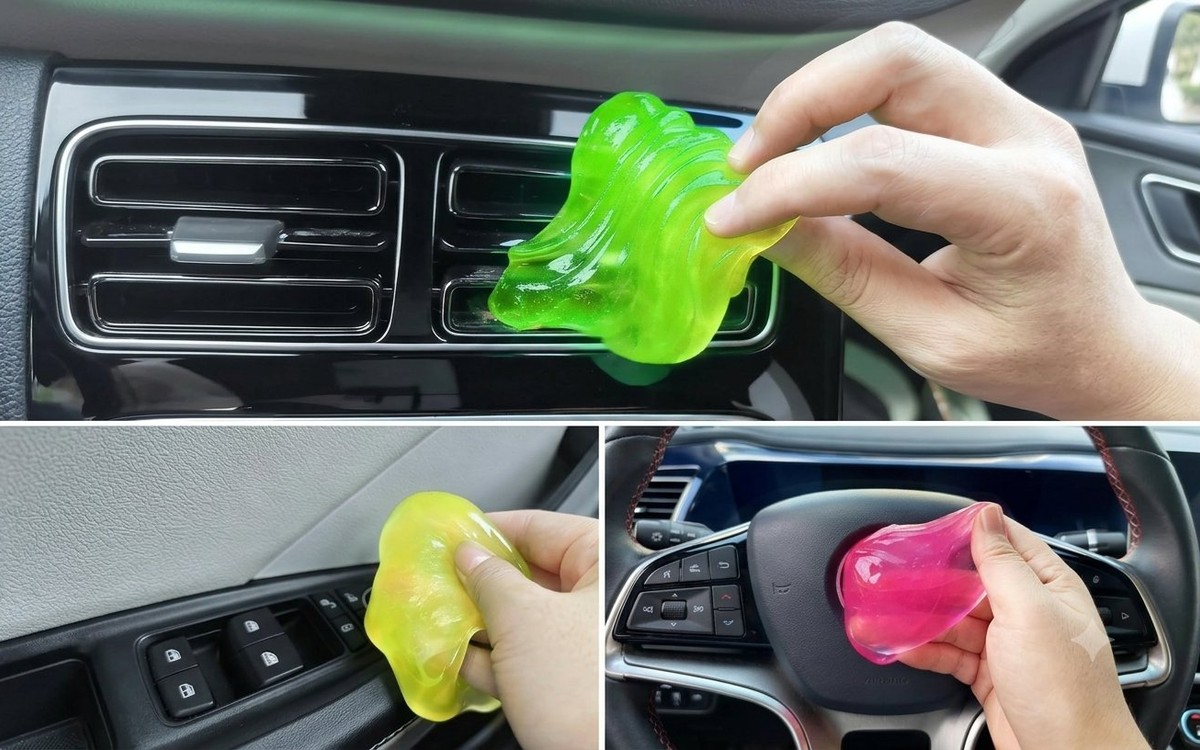
Color-coding isn't just fun — it actually helps you avoid cross-contamination. Learn the workflow pro detailers use.

Cleaning Tips
From seatbelt buckles to A/C vents, these overlooked zones collect more dust than your dashboard. Here's how to clean them in under 10 minutes.
Cleaning Tips
Most drivers clean their car to protect it — but common habits like harsh cleaners, dirty towels, and dry dusting can scratch coatings and trim. Here are the 5 mistakes pros avoid, and what to do instead.